What Is a Side-by-Side UTV? Uses, Types and How It Differs
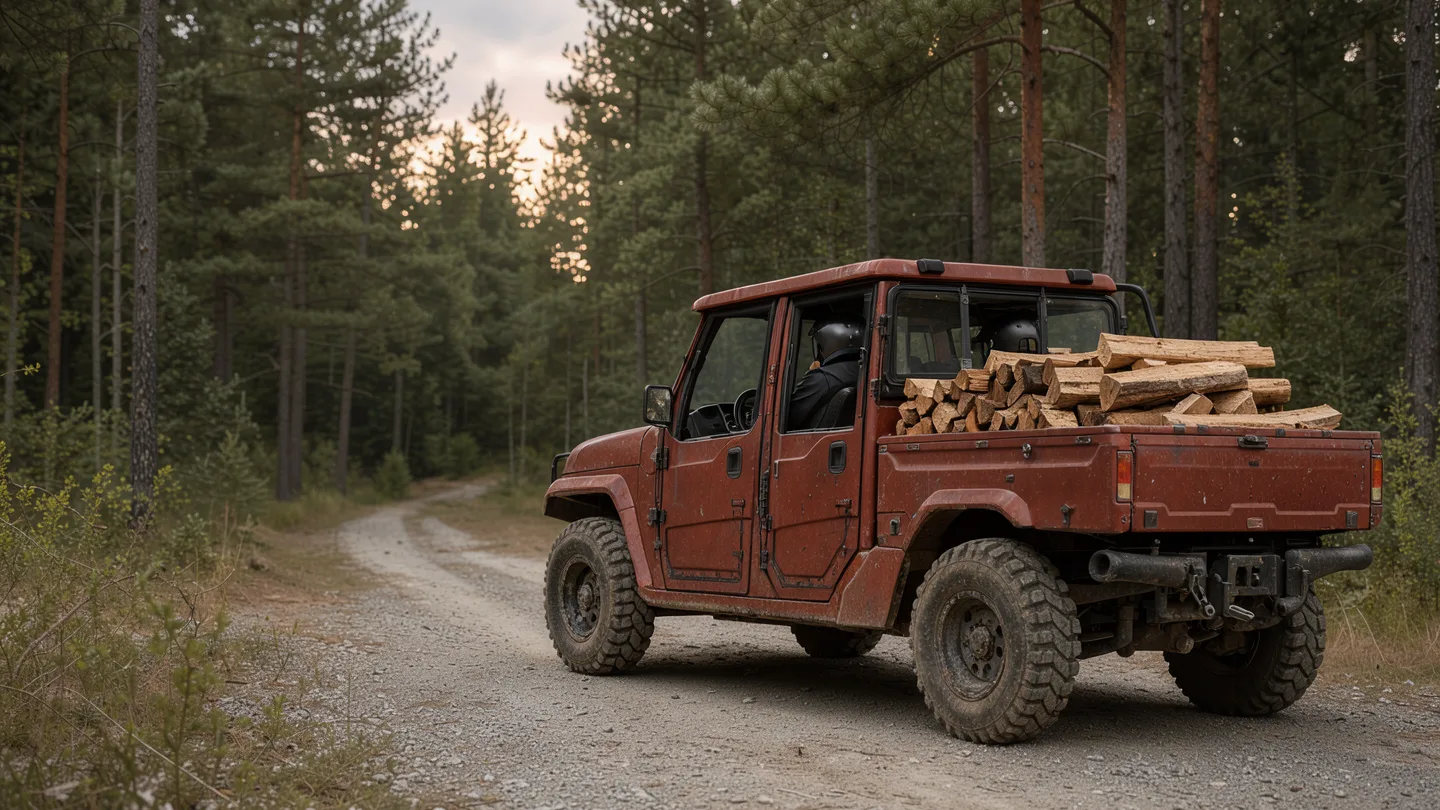
You load two bales of hay into the bed, buckle up, and drive the fence line before the sun clears the trees. That machine you just climbed into is a side-by-side UTV. It has a steering wheel, a bench or bucket seats for two or more people, and a cargo bed in the back. You are not straddling it like a motorcycle. You are sitting in it like a truck, just a small one that fits on a trail.
If you have been searching for what is a side-by-side utv, you are probably standing in a driveway comparing a Massimo or a Hisun to a used Polaris, or you just got a hunting lease and need something that hauls a deer and a cooler without a full-size pickup. This page walks through what the name means, what these machines actually do, and how they differ from the ATV you might already own.
Key takeaways
- UTV stands for Utility Task Vehicle, and "side-by-side" describes the seating layout. Both names refer to the same machine.
- A side-by-side has a steering wheel, bench or bucket seats, seatbelts, and a cargo bed. You sit in it, not on it.
- Utility models prioritize towing, bed capacity and low-range gearing. Recreation models prioritize suspension travel and speed.
- Budget side-by-sides from Massimo, Hisun, Coleman, Tracker and CFMoto start under $10,000 new. Name-brand machines run $15,000 to $30,000.
- A side-by-side differs from an ATV in seating, steering, cargo capacity and legal classification in most states.
What UTV stands for and why two names describe one machine
UTV stands for Utility Task Vehicle. The name came from the original purpose: a small vehicle you use for work tasks on a property, a lease or a job site. The term "side-by-side" describes how the occupants sit. You and your passenger sit next to each other, side by side, the way you do in a truck cab. That is the difference from an ATV, where you straddle the seat and your legs hang on either side of the machine.
In everyday conversation, people use the two terms interchangeably. If someone at the feed store says "side-by-side" and someone else says "UTV," they mean the same thing. Some dealers and manufacturers also use "SSV" for Side-by-Side Vehicle, which is just a third label for the same category. You will also see "ROV" for Recreational Off-highway Vehicle in some state statutes, but that is a legal classification, not a different type of machine.
Seating, steering and the cargo bed
A side-by-side has a steering wheel, not handlebars. You turn it the way you turn a car wheel, and the front tires respond. Most models seat two or three people in the front row, and many have a rear bench that fits two more. Seatbelts are standard on every seat. Some models have a roll cage (the metal frame above the cabin) that is required by law in most states if you are carrying passengers.
The cargo bed sits behind the cabin. On a utility model, the bed is typically 40 to 50 inches long and rated for 600 to 1,200 pounds of payload. You can drop the tailgate, load feed sacks, fence posts, firewood or a quartered deer, and tie it down. Some beds have a dump feature so you can tip the load out without shoveling.
Ground clearance on a budget side-by-side usually runs 9 to 12 inches. That is enough for rutted trails, creek crossings and plowed fields. The overall width matters if you are riding designated trails. Many state trail systems cap vehicle width at 50 inches or 64 inches, so check before you buy a wide model.
Utility models versus recreation models
The category splits into two broad types, and the split matters when you are comparing machines.
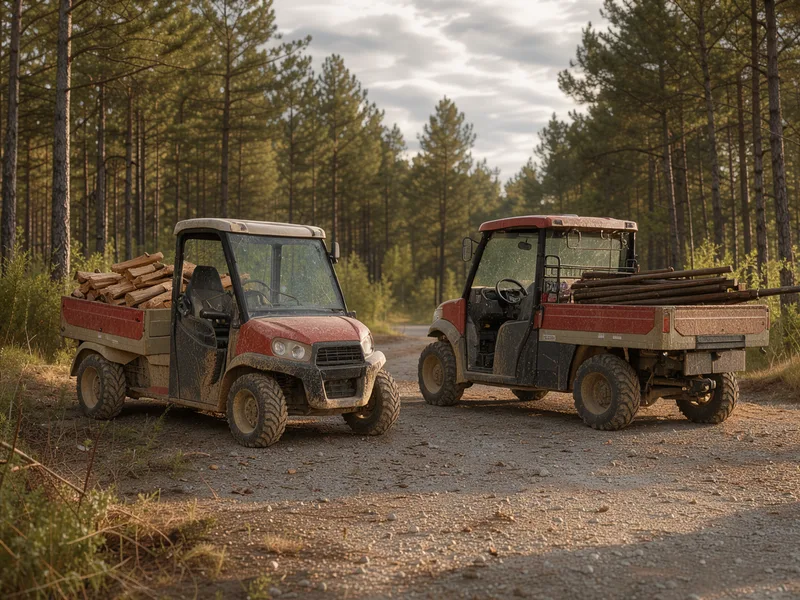
Utility models are built for work. They have lower gearing for crawling under load, a hitch rated for 1,000 to 2,500 pounds of towing, a larger bed, and often a diff lock (a mechanism that forces both wheels on an axle to turn at the same speed so you do not spin out in mud). Engine sizes on utility models typically run 500cc to 1,000cc. A Massimo UTV or a Hisun 700 falls in this range. They are not fast, but they pull.
Recreation models are built for speed and rough terrain. They have longer suspension travel, higher top speeds (45 to 70 mph on open ground), and a smaller or no cargo bed. A CFMoto ZForce or a Polaris RZR is in this category. They are fun on a trail but less useful for hauling a bale of hay.
Some machines straddle both categories. A CFMoto UForce or a Hisun Sector is a utility machine that can still handle a trail at a moderate pace. If you need one machine for both fence work and weekend riding, look at the crossover models.
Price ranges for budget and name-brand machines
New side-by-sides from budget brands like Massimo, Hisun, Coleman, Tracker and Kandi generally start between $6,000 and $12,000 depending on engine size and features. A 500cc two-seat utility model from one of these brands might run $7,000 to $9,000. A 1,000cc four-seat model with a roof and windshield might hit $11,000 to $14,000.
Name-brand machines from Polaris, Can-Am and Kawasaki start around $15,000 and climb past $30,000 for loaded models. The gap is real, and it is not just a badge. Name-brand machines tend to have better dealer networks, more parts availability and higher resale value. But a used name-brand machine from three or four years ago can cost about the same as a new budget machine, and that trade-off is worth thinking about before you buy. See our used buying guide for how to check a VIN and a title before you hand over cash.
How a side-by-side differs from an ATV
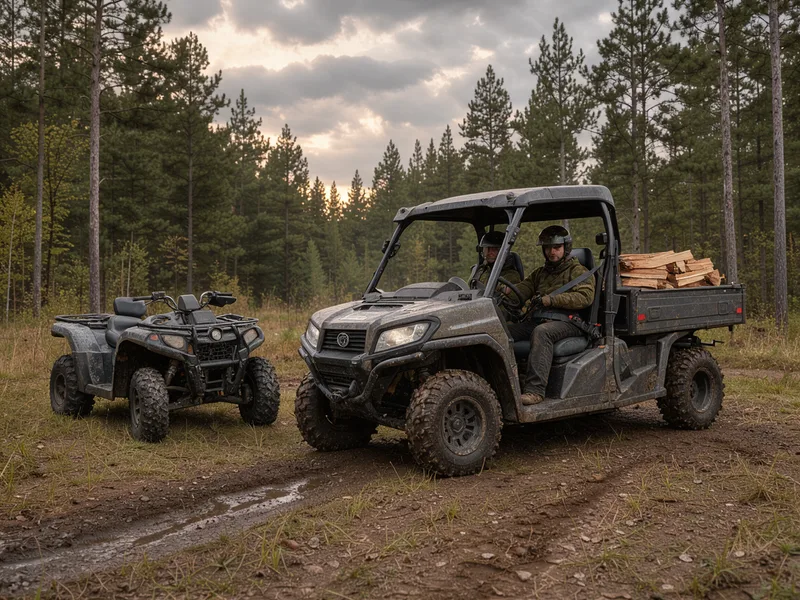
People confuse the two because both ride off-road and both come in similar engine sizes. The differences are structural and legal.
| Feature | Side-by-side UTV | ATV |
|---|---|---|
| Seating | Bench or bucket seats, side by side | Straddle seat, one rider (or two in tandem) |
| Steering | Steering wheel | Handlebars |
| Seatbelts | Standard on every seat | None |
| Cargo bed | Yes, 600 to 1,200 lb capacity | Racks only, 100 to 300 lb |
| Roll cage | Standard on most models | Rare |
| Typical width | 50 to 65 inches | 45 to 50 inches |
| Legal class (most states) | Off-highway vehicle or UTV | ATV or OHV |
| Best for | Hauling, towing, carrying passengers | Solo trail riding, tight single-track |
Who actually builds budget side-by-sides
A common question from new buyers is who makes a Massimo or a Coleman. Most budget side-by-sides are manufactured in China and sold under a US brand name. Massimo, Hisun, Coleman, Tracker, Kandi and Intimidator all source from Chinese factories. CFMoto is a Chinese manufacturer that sells under its own name and has built a stronger dealer network in the US. Odes and American Landmaster are smaller import brands with limited dealer coverage.
This does not automatically mean the machine is bad. It means you should check whether a dealer is within driving distance before you buy, because parts and warranty work depend on it. A machine with no dealer nearby is a machine you fix yourself or wait six weeks for a part. That is a real cost, and it is worth factoring into your decision.
Common questions about side-by-side UTVs
Is a side-by-side the same as a UTV?
Yes. Side-by-side describes the seating layout. UTV stands for Utility Task Vehicle and describes the purpose. Both names refer to the same category of machine. Some people also call them SSVs or ROVs, but those are just other labels.
Can I drive a side-by-side on the road?
In most states, no. Side-by-sides are classified as off-highway vehicles and are not street-legal by default. A handful of states allow limited road use with specific modifications (mirrors, turn signals, a horn, a license plate). Check your state DMV or DNR before you assume you can drive to town. Our state-by-state pages cover the rules with the official source cited.
How fast does a budget side-by-side go?
A 500cc to 700cc utility model tops out around 35 to 45 mph. A 1,000cc model might hit 50 to 60 mph. Recreation models with larger engines can reach 70 mph or more, but that is not what you are buying if you need to haul feed.
Do I need a license to ride a side-by-side?
On private land, no. On public trails and roads, it depends on your state. Some states require a driver's license, some require an OHV safety course, and some require registration and a trail sticker. Check your state rules before you ride off your own property.
What is the cheapest side-by-side worth buying?
The cheapest new side-by-side you can buy is not always the best value. A used name-brand machine from three or four years ago often has better parts availability and higher resale value than a new budget import. The right answer depends on whether a dealer is nearby and whether you can fix things yourself.